

#5 - The Fallacy of Central Bank Independence
Central bank independence is presented as a constitutional firewall between democratic politics and monetary stability — written into founding statutes, defended by Nobel laureates, and repeated as if it were a law of nature. Examined against the historical record and the actual behaviour of the Fed, ECB, BoE, BoJ, and SNB, it is largely a fiction.
by Game Of Francs Research Team
Central bank independence is presented as one of the great institutional achievements of modern economic governance — a constitutional firewall between the short-term calculations of democratic politics and the long-run requirements of monetary stability. It is written into founding statutes, defended by Nobel laureates, and repeated by every major monetary authority on earth as if it were a law of nature. It is, examined carefully against the historical record, largely a fiction.
I. The Doctrine and Its Discontents
There is a belief, held with near-theological conviction in the corridors of modern economic policy, that central banks must be independent from political control. It is stated in the founding statutes of the European Central Bank, affirmed in the Federal Reserve Act as interpreted by decades of institutional practice, enshrined in the Reserve Bank of New Zealand Act that launched the modern inflation targeting era, and repeated in the communications of every major monetary authority in the developed world as if it were a law of nature rather than an institutional choice.
The argument for independence rests on a deceptively simple premise: politicians have short time horizons. Elected on cycles of four or five years, they face permanent incentives to stimulate the economy before elections, tolerating inflation today in exchange for growth that will be remembered at the ballot box. Left to their own devices, they will pressure central banks to keep money cheap and credit flowing regardless of the inflationary consequences, producing a systematic upward bias in inflation over time. Independence is the institutional solution to this political pathology — a constitutional firewall between the short-term calculations of democratic politics and the long-run requirements of monetary stability.
It is a coherent argument. It is supported by a body of academic literature developed from the 1970s onward. And it has been the organizing principle of global central banking for the better part of four decades.
It is also, examined carefully against the historical record and the actual behaviour of independent central banks, largely a fiction. Not a total fiction — the complete absence of any insulation between monetary policy and electoral cycles would produce identifiable pathologies. But the independence that actually exists in practice — the independence of the Federal Reserve, the ECB, the Bank of England, the Bank of Japan, and the Swiss National Bank — is a selective, partial, and ultimately political independence that bears little resemblance to the pristine separation of powers described in central banking doctrine.
II. Where the Doctrine Came From: Time Inconsistency
The modern case for central bank independence was built primarily on a single intellectual foundation: the theory of time inconsistency, developed by Finn Kydland and Edward Prescott in 1977 and applied to monetary policy by Robert Barro and David Gordon in 1983.
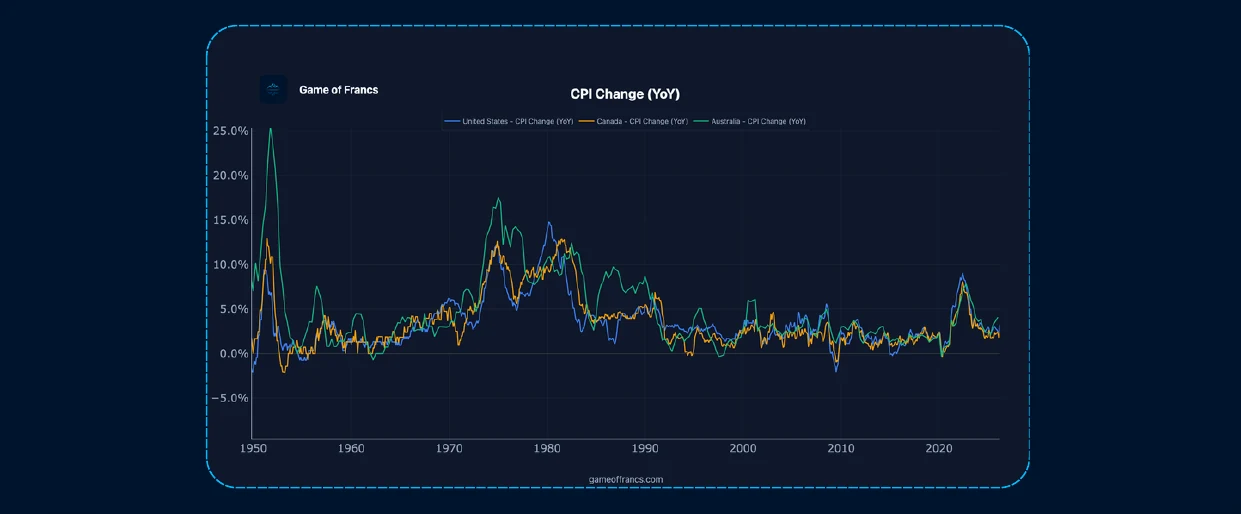
The logic is elegant. In an economy where wages are set in advance, a government controlling monetary policy faces a permanent temptation: surprise workers with higher-than-expected inflation, real wages fall, employment rises, and output expands in the short run. This inflation surprise delivers a political benefit today at the cost of higher inflation expectations tomorrow. Workers anticipate the temptation, set wage demands higher, which forces even more inflation to achieve the same employment effect — a spiral ending in persistent inflation with no sustained benefit.
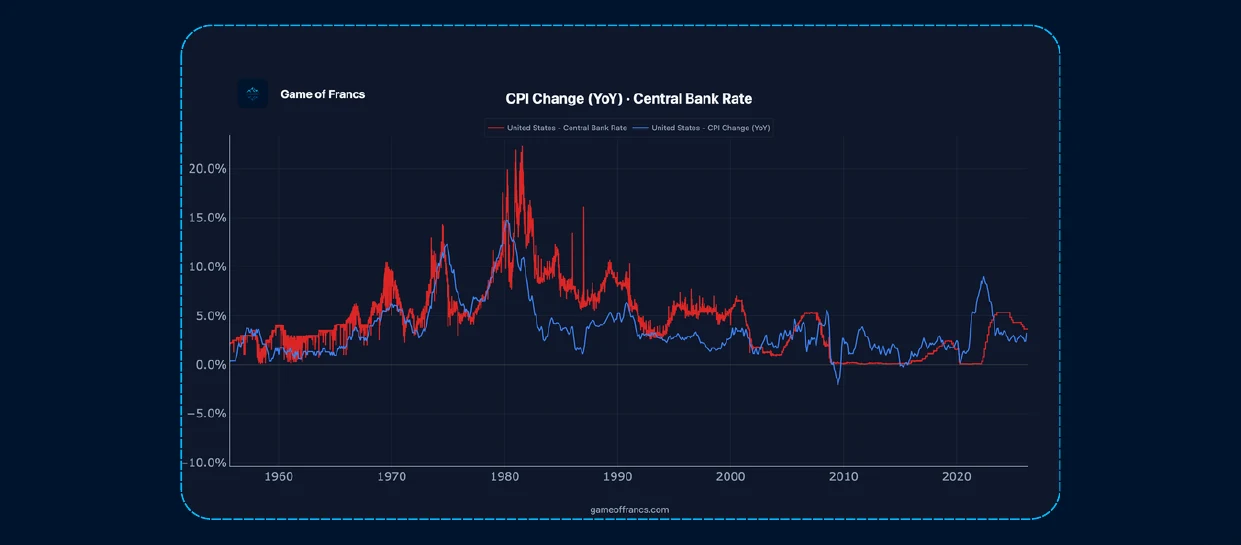
The solution the model implies is a commitment device — an institution insulated from political pressure, staffed by technocrats with inflation-averse preferences, that credibly removes the temptation. Central bank independence is that precommitment technology. The Volcker disinflation of the early 1980s — achieved by a Federal Reserve willing to impose severe recessions to break inflationary expectations — demonstrated that an institutionally strong central bank could deliver outcomes a more politically exposed institution could not.
But the model has significant limitations its institutional adoption obscured. It assumes the primary monetary pathology is inflationary bias. It has far less to say about the opposite: the systematic temptation to keep money easy in the service of financial stability, asset price support, and government debt financing. And it assumes that independent central bankers have genuinely different preferences from political actors — systematically more inflation-averse. Both assumptions have been severely tested by the experience of the past two decades. Neither has survived intact.
III. Born Political: Origins of the Modern Central Bank
Before examining whether central banks are genuinely independent today, it is worth asking whether they ever were — or whether the independence doctrine was always a post-hoc rationalization applied to institutions whose actual origins were deeply, structurally political.
The Federal Reserve, created in 1913, was the product of a political process that was anything but dispassionate institutional design. Rothbard, in The Case Against the Fed, traced the institution's creation to a coalition of large New York banks — the Morgan and Rockefeller interests — who recognized that a central bank with government backing could provide lender-of-last-resort facilities and credit expansion machinery that a purely private system could not. The Federal Reserve was not a reform imposed on the banking system by progressive politics. It was a reform sought by the banking system and delivered by progressive politics as political cover.
The Bank of England, founded in 1694, was born as an explicit quid pro quo: William III needed war financing and could not raise it through taxation alone. City of London merchants provided the funds in exchange for a royal charter granting them exclusive note-issuance rights and implicit Crown backing. It was born as a government financing mechanism dressed in monetary clothing.
The ECB is perhaps the most candidly political of the major central banks, despite its formal independence being among the strongest in legal terms. It was created as the monetary expression of the European political project — the Franco-German compromise that made the single currency possible. The Bundesbank's independence was not a German political choice. It was an Allied imposition after the Second World War, retained because its inflation-averse outcomes happened to align with German political preferences.
The lesson is consistent: central banks have always been political institutions. Their independence has always been conditional — granted, modified, and revoked by political decisions, reflecting the political settlement of the moment rather than any durable constitutional principle.
IV. The Post-2008 Reality: When Independence Met Fiscal Dominance
The doctrine of central bank independence received its most severe stress test not in politically volatile emerging markets, but in the institutional heartlands of the developed world in the decade following the 2008 financial crisis.
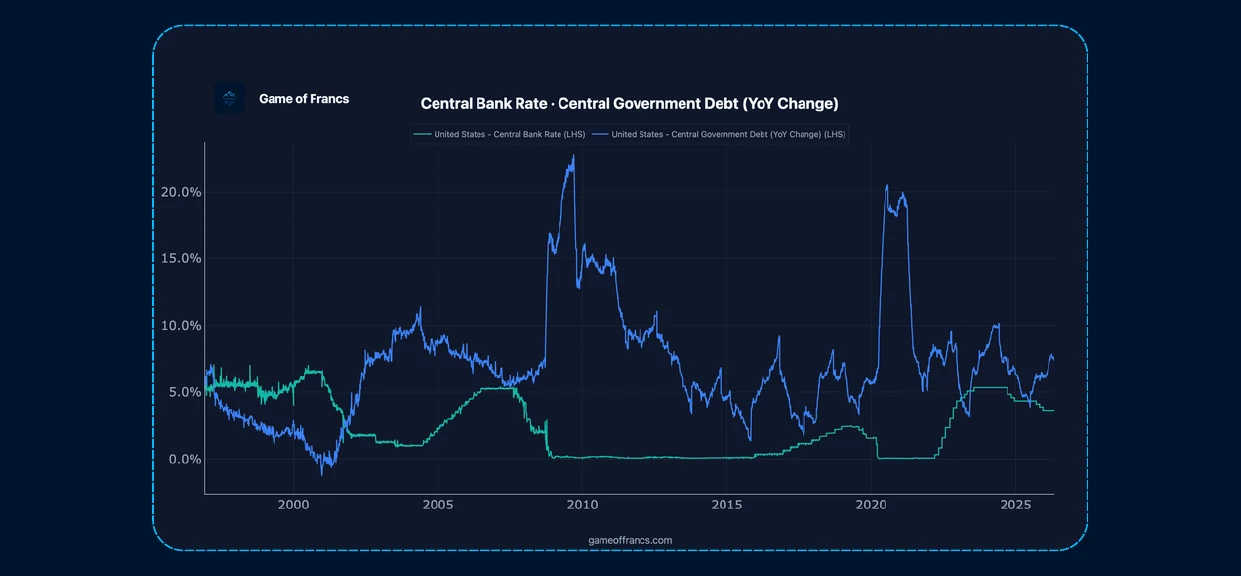
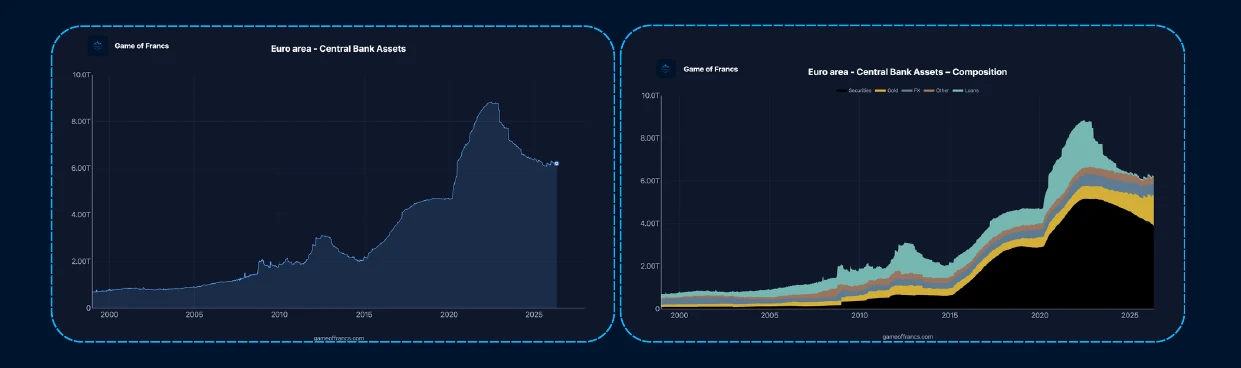
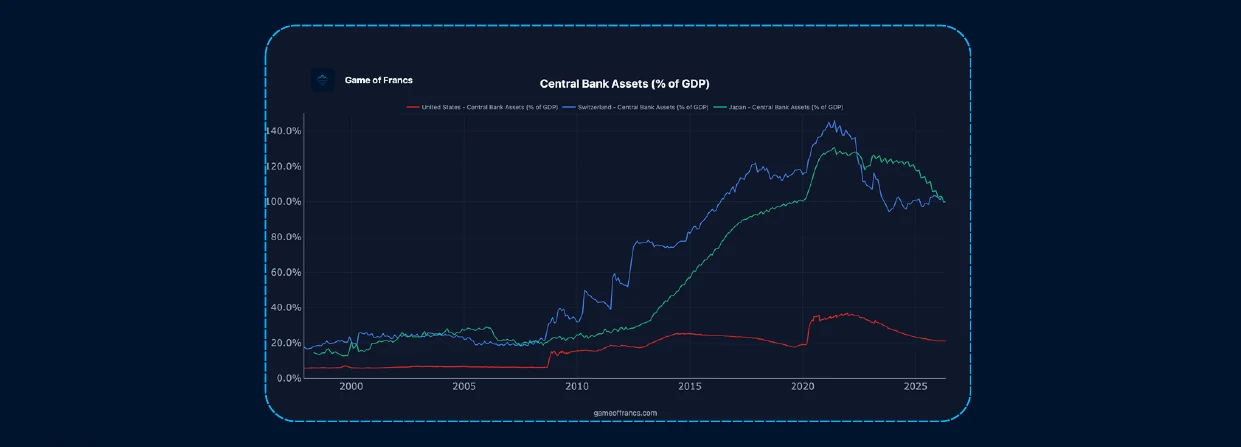
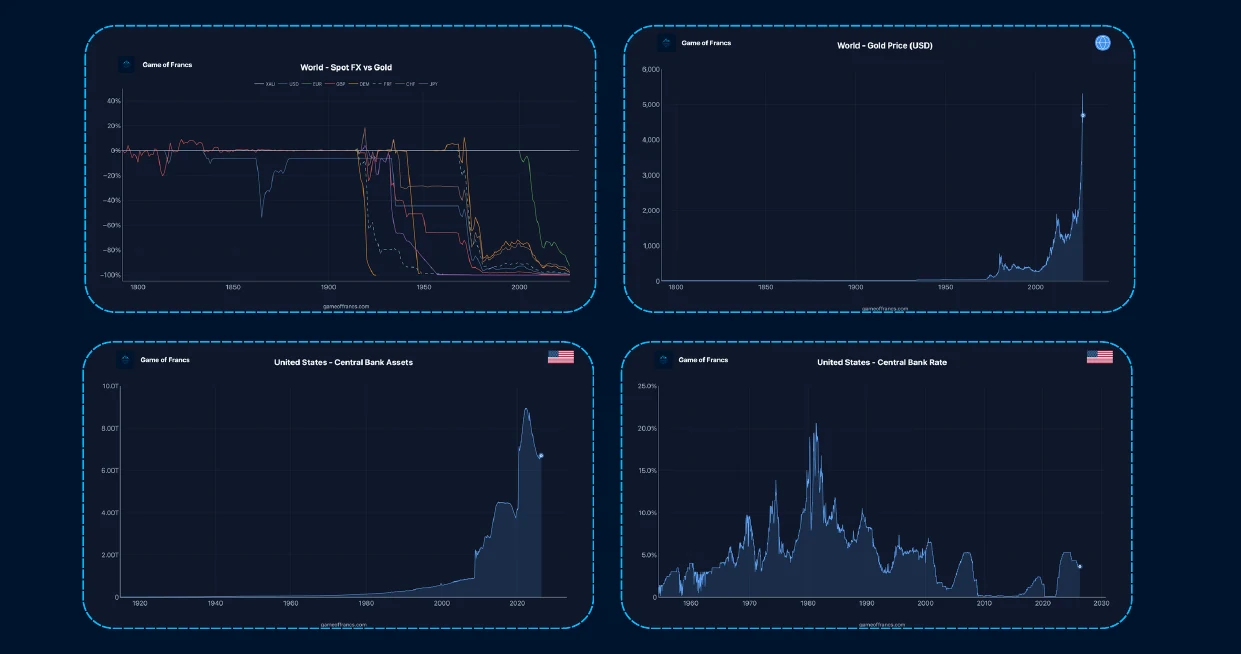
The quantitative easing programmes launched by the Federal Reserve, the Bank of England, the ECB, and the Bank of Japan between 2008 and 2022 were, in economic substance, fiscal operations conducted through monetary institutions. When a central bank creates reserves to purchase government bonds, it provides the government with financing at terms the central bank determines — suppressing yields on government debt below the level private markets would require, reducing the government's interest burden, and allowing fiscal deficits to be sustained at levels that would be politically or financially impossible without central bank support.
Bernanke acknowledged that QE operated primarily through the portfolio balance channel — removing duration from private portfolios forces investors into riskier assets, suppressing risk premia broadly. The government's cost of borrowing falls as a direct and intended consequence. In the classical doctrine of central bank independence, this is fiscal dominance — the subordination of monetary policy to the financing requirements of the government.
The Bank of Japan took this logic to its institutional extreme. Under Governor Kuroda, the Bank adopted yield curve control — explicitly capping the yield on ten-year government bonds at a chosen level, purchasing whatever quantity of bonds was required to hold it there. This is, without meaningful qualification, direct monetisation of government debt.
Draghi's 2012 commitment to do whatever it takes was an explicitly political act. The Outright Monetary Transactions programme was a political intervention dressed in monetary language, making clear the ECB would cross the line prohibiting direct government financing if necessary. It demonstrates, with unusual clarity, that ECB independence is conditional — conditional on circumstances not requiring the kind of decisive political intervention that only the ECB had the instruments to make.
V. The Revolving Door and the Capture Problem
The independence doctrine assumes that central bank technocrats have preferences systematically different from those of political actors — specifically, that they are more inflation-averse, more oriented toward long-run stability, and less susceptible to electoral pressures. This assumption deserves scrutiny in light of who actually runs central banks, where they come from, and where they go afterward.
The modern central banker is drawn from the same educational institutions, academic departments, and professional networks as the economists who advise governments, staff international institutions, and serve on the boards of financial institutions whose behaviour central bank policy most directly affects. Draghi moved from Goldman Sachs to the Bank of Italy to the ECB presidency to the Italian prime ministership. Carney moved from Goldman Sachs to the Bank of Canada to the Bank of England to senior private sector advisory roles. These are not exceptional biographies. They are representative of a class of international technocratic economists for whom central bank leadership is one station on a career spanning public and private institutions.
Stigler's regulatory capture literature predicts that regulatory institutions are systematically captured over time by the industries they regulate, because the regulated industry has concentrated, ongoing interests in regulatory outcomes, while the public has diffuse, episodic attention. Central banks are not immune. Their intimate professional relationship with the financial sector — through daily market operations, supervisory relationships, and the shared culture of academic macroeconomics — creates systematic pressures toward outcomes favorable to the financial sector that are structurally prior to any explicit political interference.
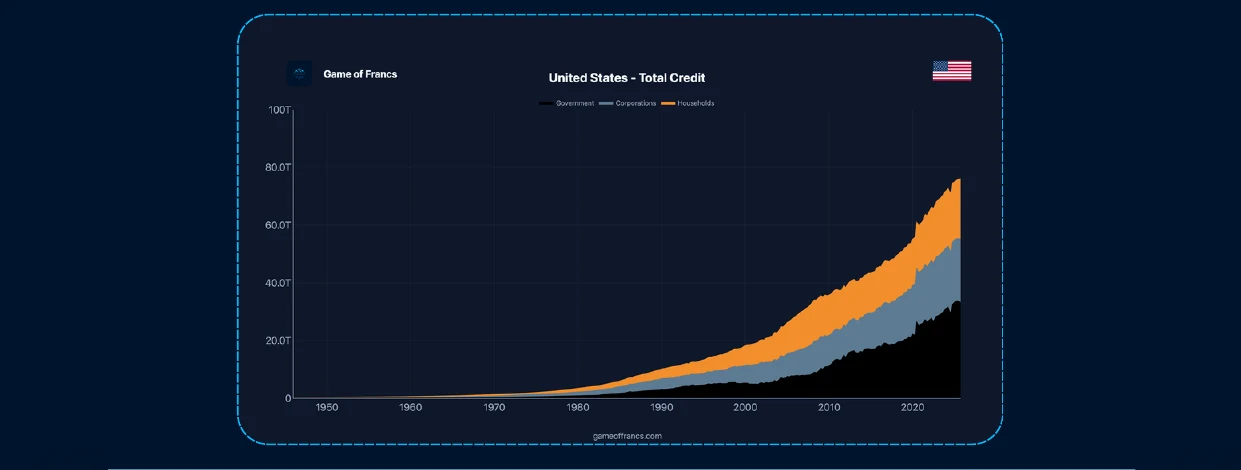
The post-2008 monetary policy environment — sustained asset price support, suppressed interest rates that systematically benefited leveraged financial actors and real estate owners, willingness to absorb financial sector risk onto central bank balance sheets — produced its own distinctive distributional consequences, concentrated in the financial sector and the ownership class, that are not obviously more consistent with the public interest than the distributional consequences the independence doctrine was designed to prevent.
VI. The Swiss Case: Independence with Caveats
Switzerland is, in important respects, the country where the case for central bank independence is most credible. The Swiss National Bank has an institutional culture of monetary conservatism, a dual mandate focused on price and financial stability, and a long history of resisting the inflationary pressures that have eroded every major currency against which the franc has been compared.
And yet the SNB's own experience in the 2010s demonstrates the limits of the independence doctrine even in its most favourable environment.
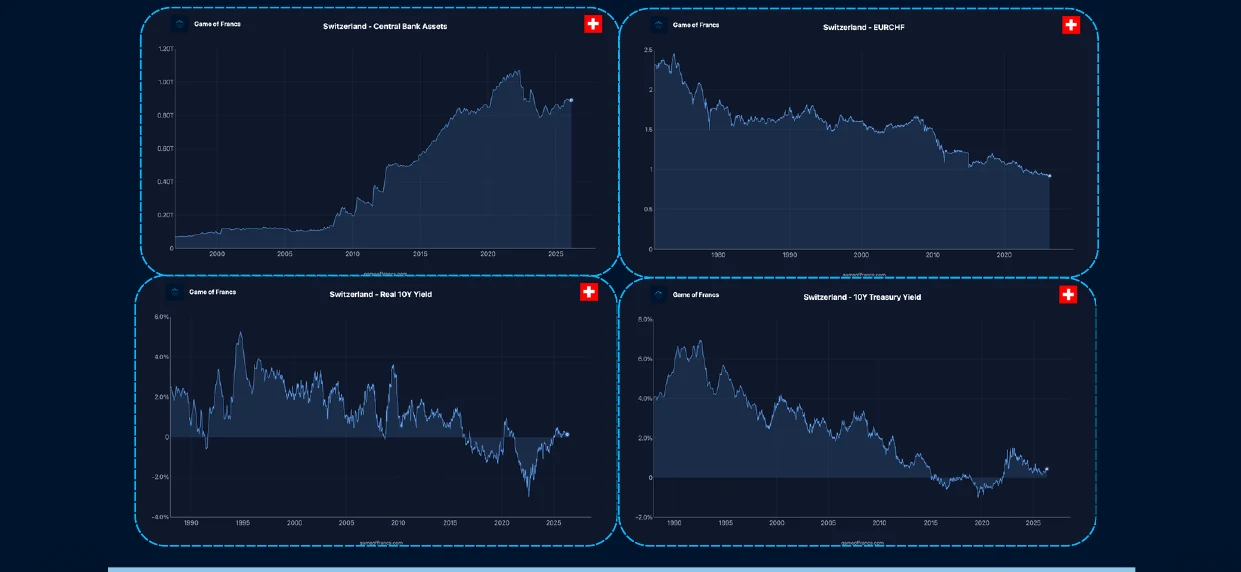
The decision to impose the minimum exchange rate floor of CHF 1.20 per euro in September 2011 was not a technocratic monetary policy decision. It was a political economy decision — a response to pressure from Swiss exporters, tourism operators, and industrial firms for whom franc appreciation was causing severe commercial distress. The SNB's mandate is price stability, not competitiveness protection. But the political economy of a small, export-oriented economy in which the manufacturing sector carries significant electoral weight shaped the SNB's decision in ways pure monetary theory would not have predicted.
The consequences — a balance sheet exceeding Swiss GDP, the accumulation of enormous foreign equity and bond positions, and the violent adjustment of January 2015 when the floor was abandoned — were partly the consequences of an institution more responsive to the political economy of Swiss export competitiveness than a genuinely independent institution would be.
The SNB's seven years of negative interest rates at -0.75% similarly reflected exchange rate management as much as pure price stability targeting. Negative rates were, in significant part, a tax on franc-denominated savings designed to discourage capital inflows. Swiss savers bore the cost. Swiss exporters benefited. The distributional choice was a political choice — made under the cover of technical mandate and institutional independence.
VII. The Austrian Critique: Independence from What?
The Austrian School's critique of central bank independence is more fundamental than the institutional and political critiques surveyed above. It does not merely argue that central banks are insufficiently independent in practice. It argues that the independence doctrine asks the wrong question — and that an independent central bank with a monopoly on money creation is, regardless of its governance structure, incapable of performing the function attributed to it.
Mises' argument in Human Action and The Theory of Money and Credit is that sound money — money whose supply is not subject to discretionary expansion — is a prerequisite for the economic calculation on which market coordination depends. When the money supply is expanded, relative prices are distorted in ways that mislead entrepreneurs, generate malinvestment, and produce the boom-bust cycles that characterize credit-money economies. These distortions are not the consequence of political interference. They are the consequence of discretionary monetary expansion itself — regardless of whether ordered by a finance minister or decided by an independent monetary policy committee.
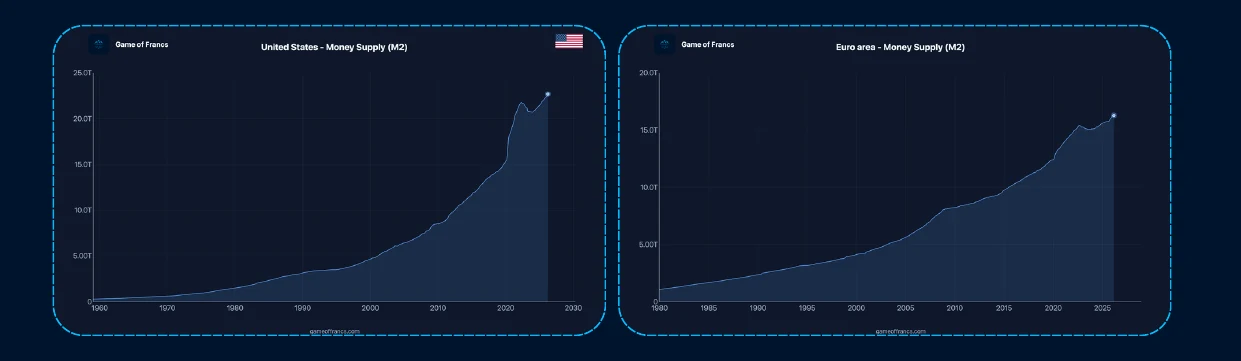
An independent central bank that expands its balance sheet by four trillion dollars produces exactly the same distortions as a politically controlled one doing the same thing. The governance structure does not change the economic character of the action.
Rothbard in The Mystery of Banking argued that the central bank is not a solution to monetary instability. It is the institutionalization of that instability — a mechanism for allowing the banking system to expand credit beyond the level of genuine savings, backstopped by the government's willingness to prevent the liquidation that market discipline would otherwise impose. What matters is not who controls the credit expansion machine, but the existence of the machine itself.
The Austrian critique implies a standard no existing central bank meets: independence not merely from political direction, but from the capacity to expand the money supply at all. A currency board has more genuine monetary independence than a discretionary central bank. A gold standard has more genuine monetary independence than either — the supply of the monetary base determined by geology rather than by any human institution.
VIII. The Political Test: When Markets Call the Bluff
The most reliable empirical test of central bank independence is not what happens during normal conditions, when the costs of independence are low. The test is what happens during crises — when the costs of monetary discipline become acute and political pressure to abandon it becomes intense. The historical record is consistent and instructive.
The Federal Reserve's accommodation of wartime fiscal expansion during both World Wars was not the product of political interference with an independent institution. It was the institutional response of a central bank that understood its survival depended on willingness to serve government financing needs during national emergencies. The Fed-Treasury Accord of 1951, which restored Federal Reserve independence after wartime interest rate pegging, was itself a political negotiation, not a reassertion of institutional principle.
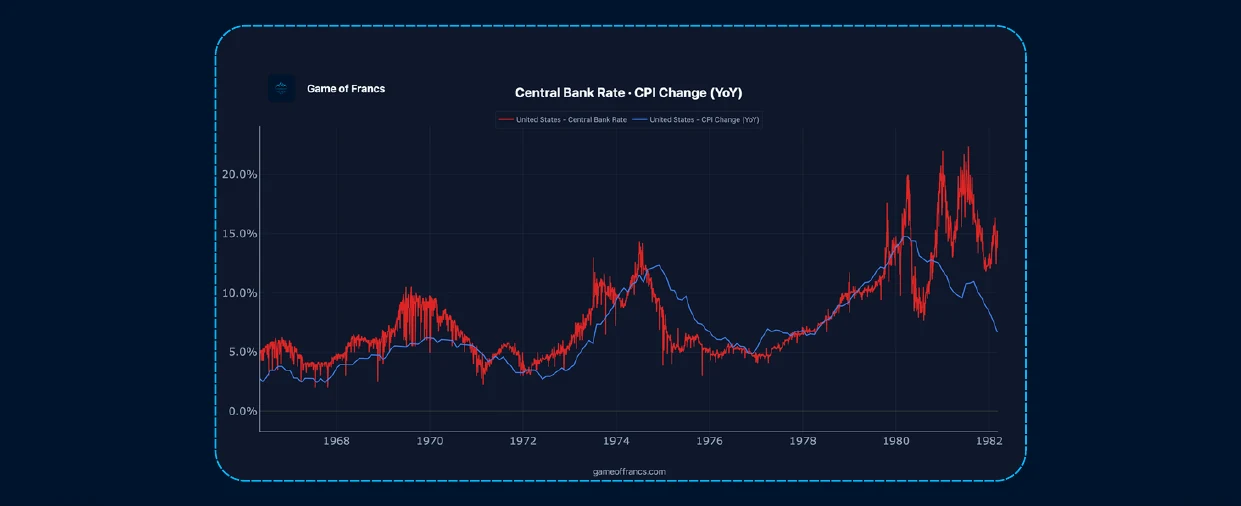
The Fed's capitulation to political pressure in the late 1960s and early 1970s is the canonical demonstration. Arthur Burns operated under sustained Nixon administration pressure to keep monetary policy accommodative ahead of the 1972 election. The Nixon tapes contain explicit discussions of pressure applied to Burns. The monetary expansion that followed contributed directly to the inflationary dynamics that the independence doctrine was subsequently developed to prevent.
The ECB's recent history offers a contemporary demonstration. German members of the Governing Council have consistently voted against asset purchase programmes and negative rates they regard as inconsistent with the price stability mandate. They have been consistently outvoted. The ECB's governance — voting power distributed among nineteen governors with divergent fiscal situations — aggregates the monetary preferences of nineteen political economies. This is not independence from political pressure. It is the institutionalization of political pressure in a supranational setting, with the appearance of technocratic decision-making providing legitimacy for outcomes that reflect the political economy of the least fiscally constrained members of the currency union.
IX. The Accountability Vacuum
If central bank independence is, in practice, a selective and conditional independence that reflects rather than transcends the political economy of the states in which central banks operate — the question becomes: what does the doctrine actually protect, and at whose expense?
What it protects, most reliably, is the institutional autonomy of central bank technocrats from legislative oversight and democratic accountability. The same institutional insulation that prevents elected politicians from ordering inflationary monetary expansion also prevents democratic institutions from scrutinizing decisions that impose severe distributional consequences on populations that had no voice in making them.
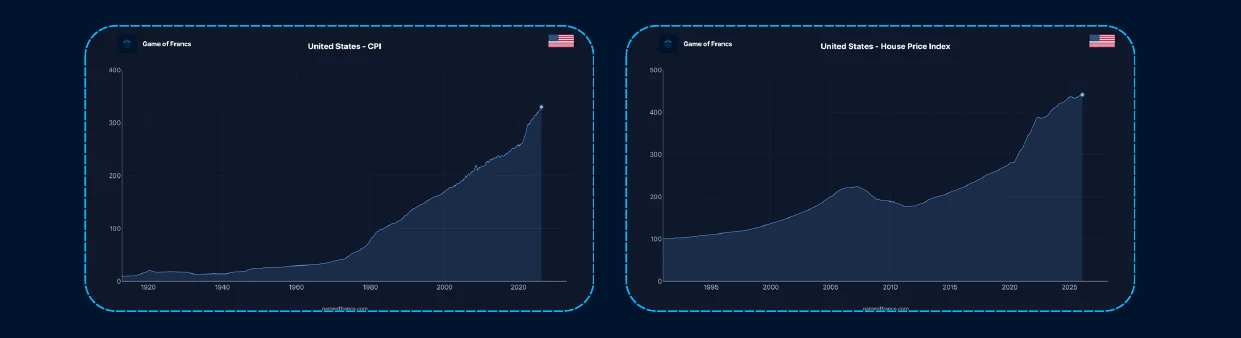
The decade of near-zero interest rates and quantitative easing that followed 2008 was a policy of extraordinary redistributive consequence. It transferred wealth from savers to asset owners, from young people trying to buy homes to existing property owners, from defined-contribution pension holders to defined-benefit recipients. These transfers were not voted on. They were decided by committees of technocrats operating under mandates that did not require them to account explicitly for distributional outcomes.
The independence doctrine's answer is that democratic majorities will always prefer cheap money and will systematically vote for inflationary policies. This may be true. But it is a counsel of despair about democratic governance. And it ignores the possibility that the distributional consequences of independent central bank policy may themselves generate the political instability — the populist pressures, the institutional distrust, the democratic disillusionment — that the independence doctrine claims to prevent.
The political backlash against central bank independence that has intensified in recent years — from the left, criticising the distributional consequences of QE, and from the right, criticising unaccountable technocratic governance — is a predictable response to an institutional arrangement that concentrates enormous consequential power in a body systematically insulated from the accountability mechanisms democratic societies apply to every other major exercise of state power.
X. Conclusion: The Honest Accounting
Central bank independence is not a principle. It is a preference — a preference for a particular institutional arrangement, justified by a particular theoretical framework, sustained by a professional class with particular interests in its continuation, and conditional on a political settlement that treats the arrangement as beneficial.
That preference is not without merit. The historical record of fully politicized central banking — the Weimar Reichsbank, the pre-Volcker Federal Reserve of the Burns era, the central banks of developing countries serving primarily as fiscal financing mechanisms — provides genuine cautionary evidence. Fully discretionary monetary policy directly subordinate to electoral politics can produce inflationary outcomes that destroy monetary confidence and cause serious economic harm.
But the choice is not binary. That arrangement has its own distinctive failure modes: the time inconsistency of asset price support rather than consumer price stability, regulatory capture by the financial sector, the accountability vacuum that insulates distributional decisions from democratic scrutiny, and the structural inability to resist fiscal dominance when the stakes are high enough.
Get the next article by email
One email when a new piece is published. Nothing else, and one-click unsubscribe from any message.